

Nitrile vs Viton Seals: Making the Right Choice for Your Industrial Applications
Introduction to Nitrile and Viton Seals
Rubber seals play a critical role in ensuring the efficiency and safety of various operations. Among the myriad of sealing options available, nitrile and Viton seals stand out due to their distinct properties and performance characteristics. As we discuss this topic, our primary goal is to equip you with the knowledge needed to make an informed decision tailored to your specific requirements.
Seals must withstand diverse environmental conditions and pressure variations, making the choice between nitrile and Viton seals particularly significant. Each type has its unique attributes, which can make one more suitable than the other depending on your industrial needs. Understanding these differences will help you maximise both productivity and cost-effectiveness in your operations.
In this article, we will explore key aspects of nitrile and Viton seals, examining their construction, properties, and areas of application. By comparing these sealing solutions, you will gain insights into their respective advantages and limitations, ultimately guiding you to make the right choice for your industrial applications.

Understanding Nitrile Seals
Nitrile seals, also known as Buna-N, are widely recognised for their excellent resistance to petroleum-based oils and fuels. This property makes them a popular choice in industries where exposure to such substances is frequent. The composition of nitrile rubber, which includes a copolymer of acrylonitrile and butadiene, provides a balance of flexibility and durability, making it suitable for a range of sealing needs.
One of the key advantages of nitrile seals is their affordability, which makes them an economical option for many applications. Despite being cost-effective, they do not compromise on performance, particularly in less demanding environments. Their temperature range typically spans from -40°C to 120°C, allowing them to function effectively in a variety of settings.
However, nitrile seals do have limitations. They are not suitable for applications involving extreme temperatures or harsh chemical exposure. Additionally, they may not perform well in environments with significant ozone or weathering conditions. Understanding these constraints is crucial when considering nitrile seals for your specific application.
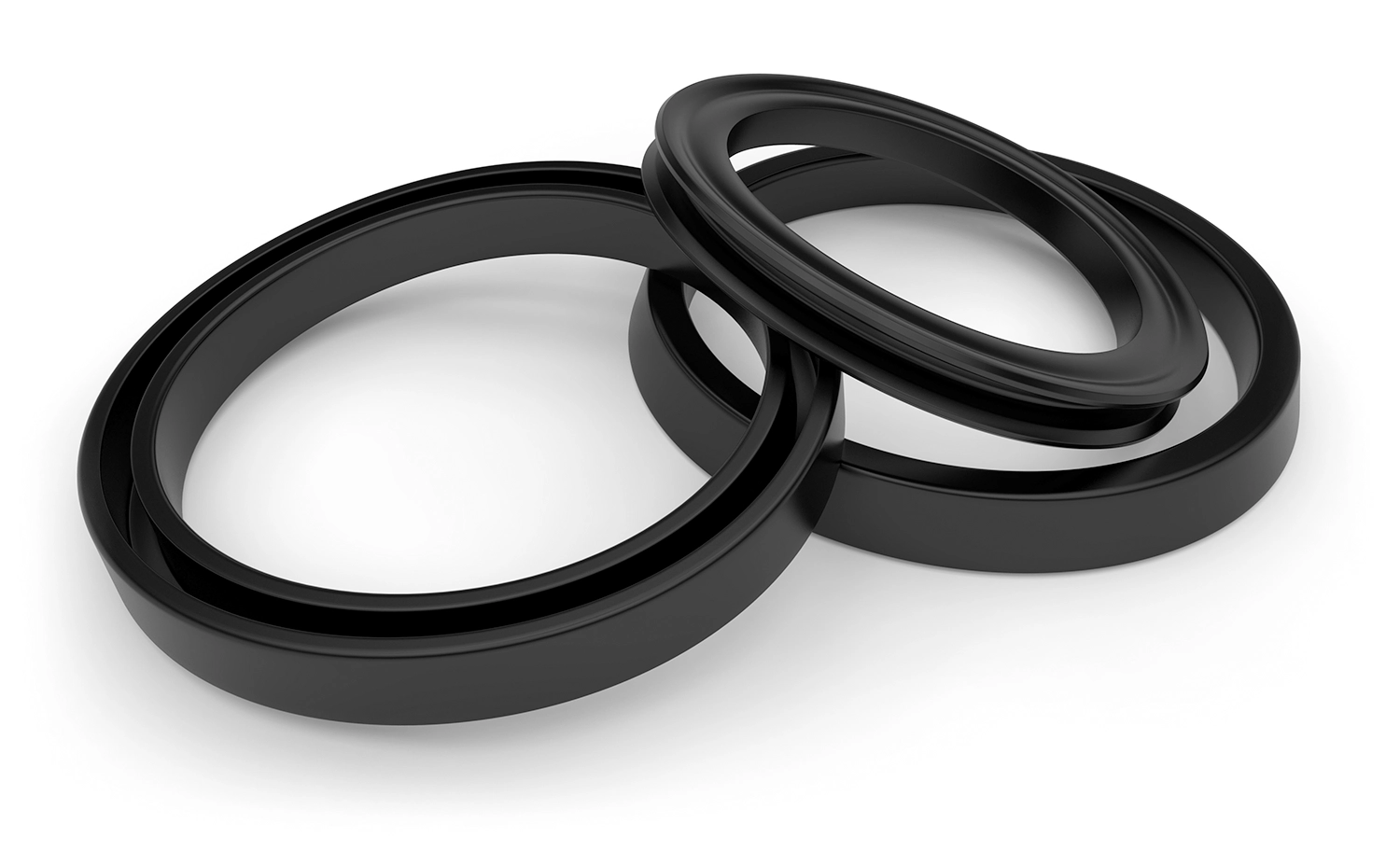
Understanding Viton Seals
Viton seals, composed of fluoroelastomer materials, offer superior resistance to high temperatures and aggressive chemicals. These attributes make them ideal for applications where exposure to harsh environments is inevitable. Viton seals are particularly valued in industries such as aerospace, automotive, and chemical processing due to their robustness and longevity.
The versatility of Viton seals is evident in their broad temperature tolerance, ranging from -20°C to 205°C and even up to 230°C in some formulations. This wide temperature range ensures that Viton seals maintain their integrity and performance, even under extreme conditions. Furthermore, their resistance to chemicals, including acids, fuels, and aromatic hydrocarbons, underscores their suitability for demanding applications.
Despite their numerous advantages, Viton seals are typically more expensive than nitrile seals. This cost factor should be weighed against the benefits they offer, especially in critical applications where failure could lead to significant operational disruptions or safety hazards. The investment in Viton seals often pays off in terms of reliability and reduced maintenance needs.

Comparing Nitrile vs Viton Seals: Key Differences
When comparing nitrile vs Viton seals, several key differences emerge, each influencing their suitability for various applications. These differences primarily revolve around chemical resistance, temperature tolerance, and cost considerations.
- Chemical Resistance: Nitrile seals are effective against oils and fuels but are less resistant to chemicals such as acids and ketones. In contrast, Viton seals excel in resisting a broad spectrum of chemicals, making them preferable for applications involving aggressive substances.
- Temperature Range: The temperature range of nitrile seals is narrower compared to that of Viton seals. While nitrile can operate from -40°C to 120°C, Viton seals can endure from -20°C to 205°C, accommodating more extreme temperatures and thus offering greater versatility.
- Cost: As mentioned earlier, nitrile seals are more cost-effective than Viton seals. This price difference can be a decisive factor for businesses balancing budget constraints with performance needs.
Understanding these differences is crucial when selecting the appropriate seal type for your application. Each factor must be considered in the context of the specific demands and conditions of your operational environment.
Applications of Nitrile Seals

Nitrile seals are employed across a variety of industries due to their affordability and effective performance in moderate conditions. They are commonly found in automotive applications, where they serve as seals for fuel handling systems, gaskets, and other components requiring oil resistance.
In the hydraulic industry, nitrile seals are frequently utilised due to their capability to withstand hydraulic fluids and oils. Their ability to maintain a seal under pressure makes them a staple in this sector. Additionally, nitrile seals are used in the manufacturing of household appliances, where they provide reliable performance under routine usage conditions.
However, when considering nitrile seals for specific applications, it is essential to evaluate the operational environment carefully. While they are versatile, they may not be suitable for applications involving high temperatures or exposure to harsh chemicals, where Viton seals might be more appropriate.
Applications of Viton Seals
Viton seals are favoured in industries that demand high performance and reliability under tough conditions. The aerospace sector, for instance, often relies on Viton seals due to their ability to withstand extreme temperatures and aggressive fuels. Their durability ensures consistent performance in critical applications.
In the chemical processing industry, Viton seals are chosen for their superior chemical resistance. They can handle exposure to harmful substances without degradation, making them ideal for equipment that must maintain integrity under chemical assault. Similarly, in the automotive industry, Viton seals are used in high-performance engines where temperature and chemical resistance are crucial.
The versatility and robustness of Viton seals also make them suitable for oil and gas applications, where they encounter both high temperatures and aggressive media. Their ability to maintain performance under such conditions reduces the risk of failure, contributing to operational safety and efficiency.

Advantages of Using Nitrile Seals
Choosing nitrile seals comes with several advantages, particularly in applications where cost and moderate performance requirements are key considerations. One of the primary benefits is their affordability, making them an attractive option for businesses looking to manage expenses without compromising functionality.
Nitrile seals also offer good mechanical properties, including tensile strength and abrasion resistance. These characteristics make them suitable for dynamic applications where movement and wear are factors. Their flexibility allows them to form effective seals, preventing leaks and maintaining system efficiency.
Moreover, the availability of nitrile seals in various formulations enhances their adaptability to different applications. This versatility, combined with their cost-effectiveness, makes nitrile seals a practical choice for a wide array of industrial uses.
Advantages of Using Viton Seals
Viton seals, while more expensive, provide significant advantages in demanding environments. Their superior temperature and chemical resistance ensure long-lasting performance, which can justify the higher initial investment. This durability translates into reduced maintenance costs and less frequent replacements, offering long-term savings.
The reliability of Viton seals in harsh conditions makes them indispensable in critical applications. Industries such as aerospace and chemical processing cannot afford seal failures, and Viton’s robustness provides peace of mind and operational continuity. Their ability to withstand extreme conditions without losing effectiveness is a testament to their quality and engineering.
Additionally, Viton seals provide excellent compression set resistance, maintaining their shape and sealing ability over time. This property is crucial for applications where consistent performance is essential, ensuring that systems remain leak-free and efficient.

Factors to Consider When Choosing Between Nitrile and Viton Seals
Choosing between nitrile and Viton seals involves evaluating several factors to ensure the most suitable option for your needs. These factors include the specific environmental conditions, operational requirements, and budget constraints of your application.
- Environmental Conditions: Consider the chemical exposure, temperature extremes, and pressure conditions the seal will encounter. Viton seals may be necessary for extreme conditions, while nitrile seals suffice for moderate environments.
- Operational Requirements: Assess the importance of seal longevity and reliability. In critical applications where failure is not an option, investing in Viton seals may be prudent. For less demanding applications, nitrile seals can provide adequate performance.
- Budget Constraints: Evaluate the cost implications of each type. While Viton seals offer superior performance, their higher cost must be balanced against budget considerations. Nitrile seals may be more suitable for cost-sensitive projects.
Careful consideration of these factors will guide you in selecting the right seal type, ensuring optimal performance and cost-effectiveness for your specific application.
Cost Comparison: Nitrile vs Viton Seals
Cost is often a decisive factor when selecting seals for industrial applications. Nitrile seals generally have a lower price point due to their simpler formulation and manufacturing process. This affordability makes them a popular choice for businesses seeking cost-effective solutions without sacrificing essential performance.
In contrast, Viton seals are more expensive, reflecting their advanced material properties and superior performance capabilities. The higher initial investment in Viton seals can be justified in applications where reliability, longevity, and resistance to harsh conditions are critical.
Ultimately, the decision between nitrile and Viton seals should consider the total cost of ownership, including installation, maintenance, and potential downtime costs. Investing in higher-quality seals like Viton may result in long-term savings through reduced maintenance needs and extended service life.
Durability and Performance: Nitrile vs Viton Seals
The durability and performance of seals are crucial factors in determining their suitability for various applications. Nitrile seals offer decent durability in moderate conditions, providing satisfactory performance in environments where extreme temperatures and chemical exposure are not present.
Viton seals, on the other hand, are renowned for their exceptional durability and performance in harsh conditions. Their resistance to high temperatures and aggressive chemicals ensures they maintain integrity and functionality over extended periods. This robustness makes Viton seals a preferred choice in critical applications where reliability is paramount.
When evaluating durability and performance, consider the specific demands of your application and the potential consequences of seal failure. The choice between nitrile and Viton seals should align with the requirements of your operational environment.

Common Industries Using Nitrile and Viton Seals
Seals are integral components in a wide range of industries, each with its unique requirements and challenges. Nitrile and Viton seals are commonly used across various sectors, each offering solutions tailored to specific needs.
- Automotive Industry: Both nitrile and Viton seals are prevalent, with nitrile used in fuel systems and Viton in high-performance engines.
- Aerospace Industry: Viton seals are favoured for their high temperature and chemical resistance, ensuring reliability in challenging conditions.
- Chemical Processing: Viton’s ability to withstand aggressive chemicals makes it the seal of choice, while nitrile finds use in less demanding applications.
- Hydraulics: Nitrile seals are widely used due to their resistance to hydraulic fluids and oils, providing effective sealing in dynamic systems.
Understanding the specific applications and requirements of these industries will help you determine the most suitable seal type for your needs.
Nitrile vs Viton Seals in Real-World Applications
Examining real-world applications of nitrile and Viton seals provides valuable insights into their performance and suitability for different environments.
- Automotive Fuel Systems: Nitrile seals have been successfully used in automotive fuel systems, where their oil resistance and affordability make them an ideal choice. However, in high-performance engines, Viton seals are preferred for their superior temperature resistance.
- Chemical Processing Plants: In a chemical plant, Viton seals were chosen for their ability to withstand aggressive chemical exposure, ensuring reliable operation and reducing the risk of leaks and failures.
- Aerospace Applications: Viton seals have proven their worth in aerospace applications, where their high-temperature resistance and durability ensure consistent performance in extreme conditions.
These examples illustrate the importance of selecting the right seal type based on specific application requirements, ensuring optimal performance and reliability.

Expert Recommendations on Nitrile vs Viton Seals
As experts in the field, we recommend considering the following when choosing between nitrile and Viton seals:
- Assess Application Demands: Evaluate the specific environmental conditions, chemical exposure, and temperature ranges your application will encounter. This assessment will guide you in selecting the most suitable seal type.
- Consider Long-Term Costs: Factor in the total cost of ownership, including initial investment, maintenance, and potential downtime. While Viton seals may have a higher upfront cost, their durability and reliability can lead to long-term savings.
- Prioritise Reliability: In critical applications where failure could have significant consequences, prioritising reliability and performance is essential. Viton seals offer superior properties that ensure consistent operation in demanding environments.
By following these recommendations, you can make an informed decision that aligns with your specific industrial needs.
Conclusion: Making the Right Choice for Your Industrial Needs
Choosing between nitrile and Viton seals involves careful consideration of various factors, including environmental conditions, operational requirements, and budget constraints. By understanding the key differences and advantages of each seal type, you can make an informed decision that ensures optimal performance and cost-effectiveness.
Whether you opt for the affordability of nitrile seals or the superior performance of Viton seals, the right choice will enhance the efficiency and reliability of your industrial applications. As you evaluate your options, remember that investing in high-quality seals can lead to long-term savings and operational success.
If you need further assistance or have specific questions about nitrile vs Viton seals, please do not hesitate to contact us.Contact Us Our team of experts is here to help you make the best choice for your industrial applications. Reach out today for personalised guidance and support.